Key Takeaways
- Green tea's EGCG significantly reduces fasting blood glucose and HbA1c in a meta-analysis of 17 randomized controlled trials[1]
- Cinnamon supplementation lowers fasting glucose by 3-5% in people with type 2 diabetes[5]
- Chamomile, hibiscus, ginger, and fenugreek teas each have published evidence supporting blood sugar benefits when consumed unsweetened
- Sweetened teas, bubble teas, and chai lattes with added sugar can spike glucose levels and should be limited or avoided
- Tea polyphenols work in part by inhibiting alpha-amylase and alpha-glucosidase, slowing carbohydrate digestion[3]
- Brewing temperature, steeping time, and whether you add sweetener all influence how much benefit you get from each cup
Tea is one of the most consumed beverages on the planet, second only to water. And for people paying attention to their blood sugar, that simple cup of tea may be doing more good than you realize.
Over the past two decades, a growing body of research has examined the relationship between tea consumption and glucose metabolism. The results are encouraging. Several types of tea contain bioactive compounds that can support healthy blood sugar levels through multiple mechanisms, from improving insulin sensitivity to slowing the absorption of carbohydrates after a meal.
But not all teas are created equal. Some offer genuine metabolic benefits. Others, particularly when loaded with sugar, syrups, or milk, can do the opposite of what you intend. This guide walks through the best teas for blood sugar support, the ones worth limiting, and how to brew them for maximum benefit.
How Tea Affects Blood Sugar: The Science
Before looking at individual teas, it helps to understand the mechanisms through which tea compounds influence glucose metabolism. There are several key pathways:
- Alpha-amylase and alpha-glucosidase inhibition: Tea polyphenols, particularly catechins and tannins, inhibit digestive enzymes that break down complex carbohydrates into simple sugars. This slows the rate at which glucose enters your bloodstream after a meal.[3]
- GLUT4 translocation: Certain tea polyphenols, especially EGCG from green tea, promote the movement of GLUT4 glucose transporters to the cell surface, helping cells absorb glucose more efficiently.[2]
- Insulin sensitization: Tea compounds can improve insulin signaling pathways, making your cells more responsive to the insulin your body produces.[4]
- Reduced hepatic glucose output: Some tea compounds help regulate the liver's glucose production, particularly during fasting states.
- Antioxidant and anti-inflammatory effects: Chronic low-grade inflammation impairs insulin function. The potent antioxidant activity of tea polyphenols helps reduce oxidative stress that contributes to insulin resistance.[6]
With these mechanisms in mind, here are the teas with the strongest evidence for blood sugar support.
The Best Teas for Blood Sugar Support
1. Green Tea
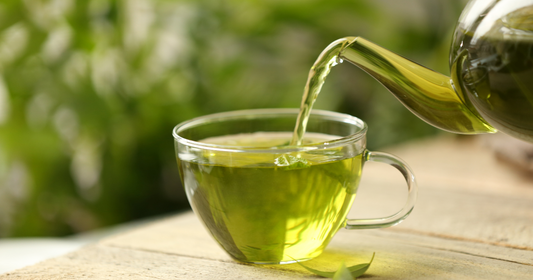
Green tea is the most extensively studied tea for blood sugar management, and the evidence is compelling. Its primary active compound, epigallocatechin gallate (EGCG), is a catechin that accounts for roughly 50-80% of the total catechin content in a cup of green tea.
A landmark meta-analysis of 17 randomized controlled trials published in the American Journal of Clinical Nutrition found that green tea consumption significantly reduced fasting blood glucose levels. The analysis also showed meaningful reductions in fasting insulin and HbA1c, suggesting benefits for both short-term glucose control and longer-term metabolic health.[1]
A separate systematic review and meta-analysis in Diabetes & Metabolism Journal confirmed that green tea significantly reduced fasting glucose concentrations, with effects seen in both diabetic and non-diabetic populations.[4]
EGCG appears to work through multiple pathways: it mimics the action of insulin by stimulating glucose uptake in muscle and fat cells, inhibits carbohydrate-digesting enzymes, and reduces glucose production in the liver.[2]
How much: The reviewed clinical trials used the equivalent of 3-4 cups per day (roughly 250-500 mg EGCG). Space your cups throughout the day, ideally around meals, for the most consistent effect.
Best brew: Use water at 160-180 degrees F (70-80 degrees C), not boiling. Steep for 3-5 minutes. Higher temperatures can destroy catechins and make the tea taste bitter.
Adding a squeeze of lemon juice to your green tea can increase catechin absorption. Research from Purdue University found that vitamin C (ascorbic acid) significantly improves the stability and bioavailability of green tea catechins in the digestive system.[7]
2. Cinnamon Tea
Cinnamon has been used in traditional medicine for centuries, and modern research has validated many of its metabolic benefits. Cinnamon tea is one of the simplest ways to incorporate these benefits into your daily routine.
A meta-analysis published in the Journal of Medicinal Food examined 8 clinical trials and found that cinnamon supplementation significantly reduced fasting blood glucose in people with type 2 diabetes or prediabetes.[5] A more recent systematic review in Clinical Nutrition confirmed these findings, showing cinnamon's ability to reduce both fasting glucose and HbA1c.[8]
The active compounds in cinnamon, particularly cinnamaldehyde and type-A proanthocyanidins, appear to work by improving insulin receptor sensitivity and slowing gastric emptying, which reduces the speed at which glucose enters the bloodstream after a meal.[9]
Important note: Use Ceylon cinnamon (Cinnamomum verum), not Cassia cinnamon (Cinnamomum cassia). Cassia contains much higher levels of coumarin, a compound that can be harmful to the liver in large amounts.[10]
How to brew: Steep one Ceylon cinnamon stick (or 1/2 teaspoon ground Ceylon cinnamon) in hot water for 8-10 minutes. You can also add a cinnamon stick to your green tea for a combined benefit.
3. Chamomile Tea
Chamomile is best known as a calming bedtime tea, but it has notable blood sugar benefits as well. A randomized controlled trial in the Journal of Endocrinological Investigation found that drinking chamomile tea three times a day for 8 weeks significantly reduced HbA1c, fasting blood glucose, and insulin levels in people with type 2 diabetes compared to a control group.[11]
The flavonoids in chamomile, including apigenin and quercetin, are believed to support glucose metabolism by protecting pancreatic beta cells from oxidative damage and improving insulin secretion.[12]
Chamomile also offers an indirect benefit: its well-documented calming properties may help lower cortisol levels, which in turn supports more stable blood sugar.[13] Since stress hormones directly raise blood glucose through hepatic gluconeogenesis, anything that reduces stress can support glucose control.
How to brew: Use 1 tablespoon of dried chamomile flowers (or one tea bag) per cup. Steep in just-boiled water for 5-7 minutes with a cover to trap the volatile oils. Drink 2-3 cups daily, including one before bed.
4. Hibiscus Tea
Hibiscus tea, made from the dried calyces of the Hibiscus sabdariffa plant, is tart, ruby-colored, and rich in anthocyanins. Its benefits for blood pressure are well established, but the evidence for blood sugar support is also growing.
A randomized double-blind clinical trial found that hibiscus tea consumption significantly improved fasting glucose and insulin resistance markers in participants with metabolic syndrome.[14] The anthocyanins in hibiscus appear to work by inhibiting alpha-glucosidase and alpha-amylase enzymes, slowing carbohydrate digestion and reducing post-meal glucose spikes.[15]
Hibiscus tea also has an impressive antioxidant capacity that rivals many superfoods. This helps protect against the oxidative stress that contributes to insulin resistance and beta-cell dysfunction.[16]
How to brew: Use 1-2 tablespoons of dried hibiscus petals per cup. Steep in boiling water for 5-10 minutes. It can be enjoyed hot or cold. Since it is naturally tart, some people are tempted to add sweetener. Resist this urge, or use a tiny amount of stevia if needed.
5. Ginger Tea
Ginger (Zingiber officinale) has been a foundation of traditional medicine across multiple cultures, and its effects on blood sugar are supported by a solid evidence base.
A complete systematic review and meta-analysis in Complementary Therapies in Medicine examined 10 randomized controlled trials and found that ginger supplementation significantly reduced fasting blood glucose and HbA1c in people with type 2 diabetes.[17]
The active compounds in ginger, particularly gingerols and shogaols, are thought to support glucose metabolism by increasing glucose uptake in muscle cells independently of insulin, improving insulin sensitivity, and reducing inflammatory markers that contribute to insulin resistance.[18]
A clinical trial published in the Iranian Journal of Pharmaceutical Research found that 3 grams of ginger powder daily for 8 weeks significantly reduced fasting blood sugar and HbA1c compared to placebo.[19]
How to brew: Slice a 1-inch piece of fresh ginger root and steep in boiling water for 10-15 minutes. The longer you steep, the stronger the flavor and the higher the concentration of active compounds. Fresh ginger produces a more potent tea than powdered.
6. Fenugreek Tea
Fenugreek (Trigonella foenum-graecum) is one of the most well-researched herbs for blood sugar support. It is also one of the six key ingredients in Diabec, chosen specifically for its metabolic benefits.
A meta-analysis in the Journal of Ethnopharmacology analyzed 10 clinical trials and found that fenugreek significantly reduced fasting blood glucose and improved glucose tolerance.[20] The primary active compounds are 4-hydroxyisoleucine, which directly stimulates insulin secretion from pancreatic beta cells, and galactomannan fiber, a soluble fiber that slows carbohydrate absorption.[21]
A study in the European Journal of Clinical Nutrition found that soaking fenugreek seeds in hot water and consuming the resulting infusion reduced post-meal glucose levels by 13.4% compared to a control.[22]
How to brew: Soak 1-2 teaspoons of fenugreek seeds in 1 cup of hot water overnight, or boil the seeds for 5 minutes and steep for an additional 15 minutes. Strain and drink. The taste is slightly bitter, so combining it with a cinnamon stick can improve the flavor while adding complementary blood sugar benefits.
7. Black Tea
Black tea undergoes full oxidation during processing, which transforms its catechins into theaflavins and thearubigins. While these compounds are different from the EGCG in green tea, they also have blood sugar benefits. Also see: Diabec's six Ayurvedic ingredients.
A study published in the Asia Pacific Journal of Clinical Nutrition found that black tea consumed alongside a sucrose-containing drink significantly reduced the post-meal blood sugar response compared to drinking the sucrose drink alone.[23]
Research has shown that theaflavins in black tea can inhibit alpha-glucosidase activity, slowing the breakdown of complex carbohydrates in the small intestine.[24] A large European population study found that people who drank 4 or more cups of tea daily (primarily black tea) had a 16% lower risk of developing type 2 diabetes compared to non-drinkers.[25]
How to brew: Use just-boiled water (200-212 degrees F / 93-100 degrees C). Steep for 3-5 minutes. Black tea has more caffeine than green tea (roughly 40-70 mg per cup versus 20-45 mg), so keep this in mind if you are sensitive to caffeine, especially in the afternoon.
The best tea for blood sugar is the one you will drink consistently, brewed properly, and served without sweetener. The compounds in tea work cumulatively over time, not as a one-time intervention. Making it a daily habit matters more than choosing the "perfect" variety.
Teas to Limit (or Avoid) for Blood Sugar
Tea itself is not the problem. The problem is what we add to it and how it is marketed. Here are the tea-related beverages that can undermine your blood sugar goals.
Sweetened Bottled Teas
Most commercially bottled teas are essentially sugar water with tea flavoring. A typical 16-ounce (500 ml) bottle of sweetened iced tea contains 30-50 grams of added sugar, equivalent to 7-12 teaspoons. This is enough to cause a significant glucose spike and places these drinks in the same category as sodas from a metabolic perspective.
Even teas marketed as "lightly sweetened" or "natural" can contain 15-20 grams of sugar per serving. And because many bottles contain 2-2.5 servings, the total sugar intake from a single bottle can be double what the label suggests at first glance.
The Harvard School of Public Health's Nurses' Health Study found that consuming one or more sugar-sweetened beverages per day was associated with a 26% greater risk of developing type 2 diabetes.[26]
What to do instead: Brew your own tea and chill it in the refrigerator. If you want iced tea, brew a strong pot, let it cool, and pour over ice. Add a squeeze of lemon or a few fresh mint leaves for flavor without sugar.
Bubble Tea (Boba)
Bubble tea has become enormously popular worldwide, but it is one of the worst choices for blood sugar. A standard bubble tea contains sweetened tea, flavored syrups, and tapioca pearls (boba), which are made from cassava starch, a refined carbohydrate that is rapidly digested.
A single serving of bubble tea can contain 50-90 grams of sugar and 300-500 calories. The tapioca pearls alone contribute 30-50 grams of carbohydrates per serving, and because they are pure starch with no fiber, protein, or fat to slow absorption, they can cause a rapid and substantial glucose spike.
Research on the glycemic index of tapioca shows it ranks very high, meaning it is rapidly converted to glucose in the bloodstream.[27]
What to do instead: If you enjoy the texture and ritual of bubble tea, ask for an unsweetened base tea with no syrup. Some shops can reduce or eliminate the sugar. You can also try chia seeds soaked in unsweetened tea as an alternative to tapioca pearls, offering texture with fiber and beneficial omega-3s.
Chai Lattes and Flavored Tea Lattes
A traditional masala chai made with whole spices (cinnamon, ginger, cardamom, clove) and brewed with tea leaves can actually be beneficial for blood sugar. The problem arises when chai is prepared as a "chai latte" at coffee shops, using pre-made concentrates or powdered mixes that are loaded with sugar. Also see: one family member's prevention playbook.
A typical coffee-shop chai latte made with a sweetened concentrate and whole milk can contain 35-45 grams of sugar in a 16-ounce serving. Matcha lattes, London fog lattes, and other flavored tea drinks often follow the same pattern, with sweetened syrups or vanilla extracts adding 20-30 grams of sugar per drink.
What to do instead: Make your own masala chai at home by simmering whole spices (cinnamon sticks, fresh ginger, cardamom pods, cloves) with black tea. Use unsweetened almond milk or a splash of whole milk instead of a sweetened concentrate. This gives you the warming spice flavors with blood sugar support from the cinnamon and ginger, rather than a glucose spike from hidden sugar.
How to Brew Tea for Maximum Blood Sugar Benefit
The way you prepare your tea meaningfully affects its polyphenol content and, by extension, its metabolic benefits. Here are the key principles:
Temperature Matters
Green tea: 160-180 degrees F (70-80 degrees C). Water that is too hot damages the delicate catechins, particularly EGCG. If you do not have a thermometer, bring water to a boil and let it cool for 2-3 minutes before pouring.
Black tea: 200-212 degrees F (93-100 degrees C). Black tea's theaflavins are more heat-stable than green tea catechins, so boiling water is fine.
Herbal teas (chamomile, hibiscus, ginger): Use boiling water and cover the cup while steeping to trap volatile compounds.
Steeping Time
Longer steeping generally extracts more polyphenols, but there is a point of diminishing returns. Research on tea polyphenol extraction suggests that most catechins are released within the first 3-5 minutes of steeping.[28] Beyond 10 minutes, you extract more tannins (which increase bitterness) without substantially increasing the beneficial compounds.
- Green tea: 3-5 minutes
- Black tea: 3-5 minutes
- Chamomile: 5-7 minutes (covered)
- Hibiscus: 5-10 minutes
- Ginger: 10-15 minutes (fresh root)
- Fenugreek: 15 minutes or overnight soak
- Cinnamon: 8-10 minutes
Loose Leaf vs. Tea Bags
Loose-leaf tea generally contains higher-quality whole leaves that release more polyphenols than the broken leaf fragments (fannings and dust) found in many commercial tea bags. However, good-quality tea bags from reputable brands can still deliver meaningful benefits. The most important factor is the quality and freshness of the tea itself, not the format.
Timing Around Meals
For blood sugar purposes, drinking tea with or shortly after a meal appears to offer the greatest benefit. A study in the Asia Pacific Journal of Clinical Nutrition demonstrated that consuming tea alongside carbohydrate-rich foods significantly reduced the post-meal glucose response.[23] The polyphenols in the tea inhibit the enzymes that digest those carbohydrates, effectively slowing the rate at which glucose enters your bloodstream.
Drinking tea 15-30 minutes before a meal can also be effective, as it gives the polyphenols time to reach your digestive tract before the food arrives.
You can resteep most high-quality loose-leaf teas 2-3 times. The first steep extracts the most caffeine, while subsequent steeps still contain beneficial polyphenols with less caffeine. This makes re-steeping a good strategy for afternoon cups if you want to limit caffeine intake while still getting metabolic benefits.
What Not to Add
This is where many people unknowingly cancel out the benefits of their tea:
- Sugar and honey: Even "natural" sweeteners like honey, agave, and coconut sugar cause rapid glucose spikes. A tablespoon of honey contains roughly 17 grams of sugar.
- Flavored syrups: Vanilla, caramel, hazelnut, and other flavored syrups add 20-30 grams of sugar per pump, and most coffee-shop drinks use 3-4 pumps.
- Sweetened milk alternatives: Oat milk and flavored almond milk can contain 5-10 grams of added sugar per serving. If you add milk to your tea, use unsweetened varieties.
- Artificial sweeteners: While they do not directly raise blood sugar, a 2014 study in Nature found artificial sweeteners may alter gut bacteria in ways that impair glucose tolerance.[29] Stevia and monk fruit appear to be better choices if you need a touch of sweetness.
Building a Daily Tea Routine for Blood Sugar
Consistency matters more than perfection. Here is a simple framework for incorporating blood sugar-supporting teas into your day:
- Morning: Green tea with your breakfast (or 15 minutes before). The combination of caffeine and EGCG provides a gentle energy boost while blunting the post-breakfast glucose spike.
- Midday: Green tea or black tea with or after lunch. This is especially helpful if your lunch contains carbohydrates.
- Afternoon: Cinnamon tea, ginger tea, or hibiscus tea. These are caffeine-free (except black tea) and offer complementary blood sugar benefits without disrupting sleep.
- Evening: Chamomile tea before bed. The calming effects support better sleep quality, which itself is critical for glucose metabolism. A 2016 trial found that chamomile reduces cortisol and promotes relaxation, setting the stage for more stable overnight blood sugar.[13]
You do not need to drink all of these every day. Even replacing one sweetened beverage per day with an unsweetened tea is a meaningful step toward better glucose management.
A Note on Tea and Medication Interactions
Tea is generally safe for most people, but a few interactions are worth noting:
- Blood thinners: Green tea contains vitamin K, which can interact with warfarin. If you take blood thinners, keep your green tea intake consistent and discuss it with your healthcare provider.
- Iron absorption: Tannins in tea can reduce non-heme iron absorption by up to 60% when consumed with iron-rich foods.[30] If you are prone to iron deficiency, drink tea between meals rather than with meals.
- Diabetes medications: Because some teas can lower blood sugar, combining them with diabetes medications (especially sulfonylureas or insulin) could potentially cause blood sugar to drop too low. Monitor your levels and discuss any significant changes with your doctor.
- Caffeine sensitivity: Green and black teas contain caffeine, which can affect sleep quality and, in some people, raise cortisol levels. If caffeine affects you, switch to herbal options (chamomile, hibiscus, ginger, fenugreek) after midday.
Support Your Glucose Balance Naturally
Diabec combines 6 clinically-studied Ayurvedic herbs, including fenugreek and bitter melon, to support healthy glucose levels as part of your balanced lifestyle.
Learn MoreFrequently Asked Questions
Green tea has the strongest evidence. A meta-analysis of 17 randomized controlled trials found that green tea significantly reduced fasting glucose and HbA1c levels.[1] Its primary active compound, EGCG, works through multiple pathways including improving insulin sensitivity and slowing carbohydrate absorption. Drinking 3-4 cups daily, unsweetened, appears to offer the most consistent benefits.
Yes. A meta-analysis in the Journal of Medicinal Food found that cinnamon supplementation significantly reduced fasting blood glucose.[5] Cinnamon works by improving insulin receptor sensitivity and slowing gastric emptying. Use Ceylon cinnamon rather than Cassia cinnamon to avoid excess coumarin. Steep a cinnamon stick in hot water for 8-10 minutes.
Drinking tea with or shortly after a meal appears most effective. A study in the Asia Pacific Journal of Clinical Nutrition found that tea consumed alongside carbohydrate-rich foods significantly reduced the post-meal glucose response.[23] Drinking tea 15-30 minutes before a meal can also be effective, as polyphenols reach the digestive tract before the food arrives.
Absolutely. Adding sugar, honey, or flavored syrups to tea can negate any blood sugar benefits the tea provides. A single tablespoon of sugar adds roughly 12 grams of rapidly absorbed carbohydrates. Bottled sweetened teas are even worse, often containing 30-50 grams of sugar per bottle. The Nurses' Health Study linked one or more sugar-sweetened beverages daily to a 26% higher diabetes risk.[26] Always drink tea unsweetened, or use stevia or monk fruit.
The reviewed clinical trials used 3-4 cups per day, providing roughly 250-500 mg of EGCG. Start with 2 cups and work up gradually if you are sensitive to caffeine. Spacing cups throughout the day, particularly around meals, provides more consistent benefits than drinking them all at once. If caffeine is a concern, switch to herbal teas (chamomile, hibiscus, ginger) after midday.
Sources & References
- [1] Liu K, et al. "Effect of green tea on glucose control and insulin sensitivity: a meta-analysis of 17 randomized controlled trials." Am J Clin Nutr, 2013. pubmed.ncbi.nlm.nih.gov/23803878
- [2] Waltner-Law ME, et al. "Epigallocatechin gallate, a constituent of green tea, represses hepatic glucose production." J Biol Chem, 2002. pubmed.ncbi.nlm.nih.gov/11997383; Collins QF, et al. "Epigallocatechin-3-gallate (EGCG), a green tea polyphenol, suppresses hepatic gluconeogenesis through AMPK." J Biol Chem, 2007. pubmed.ncbi.nlm.nih.gov/17998023
- [3] Kwon YI, et al. "Inhibitory potential of wine and tea against alpha-amylase and alpha-glucosidase for management of hyperglycemia linked to type 2 diabetes." J Food Biochem, 2008. pubmed.ncbi.nlm.nih.gov/19083431
- [4] Zheng XX, et al. "Green tea intake lowers fasting serum total and LDL cholesterol in adults: a meta-analysis of 14 randomized controlled trials." Am J Clin Nutr, 2011. pubmed.ncbi.nlm.nih.gov/21715508; Haidari F, et al. "Green tea (Camellia sinensis) supplementation and glucose indices: a systematic review and meta-analysis." Diabetes Metab J, 2013. pubmed.ncbi.nlm.nih.gov/24172301
- [5] Davis PA, Yokoyama W. "Cinnamon intake lowers fasting blood glucose: meta-analysis." J Med Food, 2011. pubmed.ncbi.nlm.nih.gov/21480806
- [6] Cabrera C, Artacho R, Gimenez R. "Beneficial effects of green tea: a review." J Am Coll Nutr, 2006. pubmed.ncbi.nlm.nih.gov/16968850
- [7] Green RJ, et al. "Common tea formulations modulate in vitro digestive recovery of green tea catechins." Mol Nutr Food Res, 2007. pubmed.ncbi.nlm.nih.gov/17906180
- [8] Namazi N, et al. "The impact of cinnamon on anthropometric indices and glycemic status in patients with type 2 diabetes: a systematic review and meta-analysis." Clin Nutr, 2019. pubmed.ncbi.nlm.nih.gov/31425768
- [9] Hlebowicz J, et al. "Effect of cinnamon on postprandial blood glucose, gastric emptying, and satiety in healthy subjects." Am J Clin Nutr, 2007. pubmed.ncbi.nlm.nih.gov/20854384
- [10] Abraham K, et al. "Toxicology and risk assessment of coumarin: focus on human data." Mol Nutr Food Res, 2010. pubmed.ncbi.nlm.nih.gov/20024932
- [11] Rafraf M, et al. "Effectiveness of chamomile tea on glycemic control and serum lipid profile in patients with type 2 diabetes." J Endocrinol Invest, 2015. pubmed.ncbi.nlm.nih.gov/25194428
- [12] Kato A, et al. "Protective effects of dietary chamomile tea on diabetic complications." J Agric Food Chem, 2008. pubmed.ncbi.nlm.nih.gov/18681440
- [13] Chang SM, Chen CH. "Effects of an intervention with drinking chamomile tea on sleep quality and depression in sleep disturbed postnatal women." J Adv Nurs, 2016. pubmed.ncbi.nlm.nih.gov/26483209
- [14] Mozaffari-Khosravi H, et al. "Effects of sour tea (Hibiscus sabdariffa) on lipid profile and lipoproteins in patients with type II diabetes." J Altern Complement Med, 2009. pubmed.ncbi.nlm.nih.gov/23790169
- [15] Peng CH, et al. "Hibiscus sabdariffa polyphenolic extract inhibits hyperglycemia, hyperlipidemia, and glycation-oxidative stress." J Agric Food Chem, 2011. pubmed.ncbi.nlm.nih.gov/26462173
- [16] McKay DL, et al. "Hibiscus sabdariffa L. tea (tisane) lowers blood pressure in pre- and mildly hypertensive adults." J Nutr, 2010. pubmed.ncbi.nlm.nih.gov/20018807
- [17] Zhu J, et al. "Effects of ginger (Zingiber officinale Roscoe) on type 2 diabetes mellitus and components of the metabolic syndrome: a systematic review and meta-analysis." Complement Ther Med, 2018. pubmed.ncbi.nlm.nih.gov/29950130
- [18] Li Y, et al. "Preventive and protective properties of Zingiber officinale (ginger) in diabetes mellitus, diabetic complications, and associated lipid disorders." Evid Based Complement Alternat Med, 2012. pubmed.ncbi.nlm.nih.gov/25125505
- [19] Mozaffari-Khosravi H, et al. "The effect of ginger powder supplementation on insulin resistance and glycemic indices in patients with type 2 diabetes." Iran J Pharm Res, 2014. pubmed.ncbi.nlm.nih.gov/22781509
- [20] Neelakantan N, et al. "Effect of fenugreek (Trigonella foenum-graecum L.) intake on glycemia: a meta-analysis of clinical trials." J Ethnopharmacol, 2014. pubmed.ncbi.nlm.nih.gov/24559810
- [21] Broca C, et al. "4-Hydroxyisoleucine: experimental evidence of its insulinotropic and antidiabetic properties." Am J Physiol, 1999. pubmed.ncbi.nlm.nih.gov/14506258
- [22] Losso JN, et al. "Fenugreek bread: a treatment for diabetes mellitus." Eur J Clin Nutr, 2009. pubmed.ncbi.nlm.nih.gov/11868855
- [23] Bryans JA, Judd PA, Ellis PR. "The effect of consuming instant black tea on postprandial plasma glucose and insulin concentrations in healthy humans." Asia Pac J Clin Nutr, 2007. pubmed.ncbi.nlm.nih.gov/19735169
- [24] Matsui T, et al. "Alpha-glucosidase inhibitory profile of catechins and theaflavins." J Agric Food Chem, 2007. pubmed.ncbi.nlm.nih.gov/21471282
- [25] Huxley R, et al. "Coffee, decaffeinated coffee, and tea consumption in relation to incident type 2 diabetes mellitus." Arch Intern Med, 2009. pubmed.ncbi.nlm.nih.gov/19527402
- [26] Malik VS, et al. "Sugar-sweetened beverages and risk of metabolic syndrome and type 2 diabetes." Diabetes Care, 2010. pubmed.ncbi.nlm.nih.gov/20693348
- [27] Atkinson FS, Build-Powell K, Brand-Miller JC. "International tables of glycemic index and glycemic load values: 2008." Diabetes Care, 2008. pubmed.ncbi.nlm.nih.gov/30862431
- [28] Astill C, et al. "Factors affecting the caffeine and polyphenol contents of black and green tea infusions." J Agric Food Chem, 2001. pubmed.ncbi.nlm.nih.gov/17542123
- [29] Suez J, et al. "Artificial sweeteners induce glucose intolerance by altering the gut microbiota." Nature, 2014. pubmed.ncbi.nlm.nih.gov/25231862
- [30] Jilani T, et al. "Effect of daily consumption of tea on iron status of household members." Eur J Clin Nutr, 2017. pubmed.ncbi.nlm.nih.gov/28862481
- [31] Iso H, et al. "The relationship between green tea and total caffeine intake and risk for self-reported type 2 diabetes among Japanese adults." Ann Intern Med, 2006. pubmed.ncbi.nlm.nih.gov/16618952
- [32] Hosoda K, et al. "Antihyperglycemic effect of oolong tea in type 2 diabetes." Diabetes Care, 2003. pubmed.ncbi.nlm.nih.gov/12766131