Key Takeaways
- Ayurveda is a traditional system of wellness practices from the Indian subcontinent, not a replacement for modern medical care.[1]
- The WHO Traditional Medicine Strategy 2014-2023 formally recognizes Ayurveda within its global framework.[2]
- A 2019 review indexed on PubMed identified over 1,200 published studies on Ayurvedic interventions and metabolic wellness.[3]
- Herbs traditionally used in Ayurveda, including bitter melon, fenugreek, and gymnema, have been studied for their role in supporting healthy glucose metabolism.[4]
- Lifestyle habits associated with Ayurveda, such as daily movement, regular sleep, and mindful eating, align with modern metabolic-health research.[5]
Ayurveda gets mentioned constantly in wellness circles, but it's rarely explained clearly. If you've landed here because you keep seeing the word and you want a research-grounded introduction, you're in the right place. This guide treats Ayurveda as what it actually is: a traditional system of wellness practices that modern researchers are carefully studying.
We'll walk through where Ayurveda comes from, what its core ideas look like in practice, and what the peer-reviewed literature currently says about its role in supporting blood sugar wellness. We'll pair every traditional concept with a modern citation so you can see the evidence base for yourself.
One thing to understand up front: nothing here is a medical claim. People interested in blood sugar wellness should always work with a qualified clinician. Think of this article as a map, not a prescription.
What Exactly Is Ayurveda?
Ayurveda is a traditional system of wellness practices originating in the Indian subcontinent, now formally recognized by the World Health Organization within its Traditional Medicine Strategy.[2] It influences wellness routines for hundreds of millions of people, and PubMed currently indexes over 12,000 Ayurveda-related studies.[3]
The origin of the word
The Sanskrit word "Ayurveda" combines two roots: ayur, meaning life or lifespan, and veda, meaning knowledge. Scholars studying historical Ayurvedic texts, including the Charaka Samhita, describe the framework as one that examines daily habits, diet, herbs, and seasonal routines as interconnected contributors to overall wellness.[6]
A traditional framework, now in modern research
Today, Ayurveda is regulated in India by the Ministry of AYUSH, and its practices are increasingly examined in peer-reviewed journals such as the Journal of Ayurveda and Integrative Medicine and the Journal of Ethnopharmacology.[7] Research published in the Journal of Ayurveda and Integrative Medicine has called for more rigorous randomized trials of Ayurvedic interventions, and the field is slowly moving in that direction.[8]
How Does Ayurveda Describe the Body?
Ayurveda traditionally describes three functional categories called doshas: vata, pitta, and kapha. A 2014 review in the Journal of Ayurveda and Integrative Medicine examined whether these categories correlate with measurable biological markers, and found preliminary associations with genetic and metabolic variables.[9]
The three doshas in plain language
Traditionally, each dosha is described as a pattern of tendencies rather than a rigid type. Vata relates to movement, pitta to transformation, and kapha to structure. These are analogies, not diagnoses. Modern researchers studying Ayurvedic typologies in peer-reviewed pilot studies found partial biochemical correlates, but the evidence remains early.[10]
Why this matters for wellness routines
In everyday practice, dosha thinking pushes people toward self-observation: noticing how they sleep, eat, digest, and respond to stress. A 2017 study found that individualized wellness routines informed by self-monitoring may improve adherence to healthier habits, which is consistent with behaviour-change evidence from modern nutrition science.[11]
What Does Ayurveda Say About Blood Sugar?
Ayurveda traditionally describes a category called prameha, a group of conditions involving altered urination, that modern researchers writing in the Journal of Ayurveda and Integrative Medicine note has conceptual overlap with what today's medicine would assess through glucose testing.[12] Over 1,200 PubMed-indexed studies now look at Ayurvedic interventions in this area.
Traditional perspective on glucose wellness
Classical Ayurvedic texts traditionally linked irregular blood sugar patterns to imbalances in digestion (described as agni), diet, and physical activity. A research review in the Journal of Ethnopharmacology mapped these traditional concepts onto modern understanding of insulin sensitivity and metabolic regulation, calling for more clinical work.[13]
What modern Published data show
A 2018 systematic review in the Journal of Diabetes Research evaluated Ayurvedic interventions and concluded that several commonly used herbs showed signals worth further investigation in larger trials.[14] A separate review in Diabetes Care noted that some traditional botanicals have plausible mechanisms and deserve rigorous clinical evaluation.[15]
When you see a headline about an Ayurvedic herb "helping" blood sugar, look for the study type. Randomized controlled trials carry the most weight, followed by systematic reviews. Anecdotes and cell-culture studies are interesting starting points, but they should not drive your personal decisions. Always check what the actual paper says. For a deeper dive, see our guide on how smoking affects glucose.
Which Ayurvedic Herbs Are Studied for Glucose Wellness?
Six herbs appear most often in the peer-reviewed literature on Ayurveda and glucose wellness: bitter melon, fenugreek, gymnema, jamun, neem, and enicostemma. A 2019 review in the Journal of Ethnopharmacology mapped over 200 PubMed-indexed studies covering these herbs.[16]
Bitter melon (Momordica charantia)
Traditionally used for metabolic balance in Ayurveda. A randomized trial published in the Journal of Ethnopharmacology studied bitter melon in adults and reported changes in fasting glucose measurements, with the authors calling for longer trials.[17]
Fenugreek (Trigonella foenum-graecum)
Traditionally used as a digestive and metabolic herb. A meta-analysis in Nutrition Journal examining fenugreek seed research reported associations with fasting glucose changes in people interested in blood sugar wellness.[18]
Gymnema sylvestre
Known in Sanskrit as gurmar, traditionally described as reducing the perception of sweetness. A clinical investigation published in Phytotherapy Research explored gymnema extract and reported measurable effects on appetite and post-meal glucose patterns.[19]
Jamun (Syzygium cumini)
Traditionally used across South Asia for metabolic wellness. A review in the Journal of Ethnopharmacology summarized modern research on jamun's seeds and fruit, noting promising but preliminary findings that warrant further clinical study.[20]
Neem (Azadirachta indica)
Traditionally used for a wide range of wellness purposes. Research indexed on PubMed has studied neem extracts for their role in supporting metabolic markers, though clinical evidence remains modest in size.[21]
Enicostemma littorale
Less well known outside Ayurvedic texts but studied in pharmacology journals for its traditionally described metabolic effects. Studies so far are early-stage, and the authors repeatedly call for larger trials.[22]
What Lifestyle Practices Does Ayurveda Recommend?
Ayurveda places roughly equal weight on herbs and daily routine. A 2020 review in the Journal of Ayurveda and Integrative Medicine noted that traditional lifestyle recommendations, including early rising, meal timing, and stress management, align with roughly 60% of current chronobiology and behavioral-nutrition findings.[23]
Dinacharya: the daily routine
Traditionally, Ayurveda recommends a consistent daily rhythm: waking before sunrise, moving the body, eating at set times, and sleeping by a reasonable hour. Modern sleep research published in Diabetes Care links consistent sleep timing to better metabolic markers, which aligns with these traditional recommendations.[24]
Mindful eating
Ayurveda traditionally emphasizes eating slowly, focusing on the food, and stopping before you feel completely full. A review of mindful eating studies in Obesity Reviews found that slower, more attentive eating was associated with lower calorie intake and better glucose responses in many trials.[25]
Movement and yoga
Yoga is part of the same cultural tradition as Ayurveda. A systematic review in the Journal of Diabetes Research examined yoga interventions and reported associations with improved fasting glucose and HbA1c across multiple trials, though study quality varied.[26]
Stress management and breathwork
Traditional Ayurveda also emphasizes breath practices (pranayama) and meditation. A meta-analysis in Evidence-Based Complementary and Alternative Medicine reported that mind-body interventions including breathwork were associated with modest improvements in glycemic measures.[27]
You don't need to overhaul your life to try some of this. Pick one daily habit: a fixed bedtime, a 10-minute walk after dinner, or a few minutes of breath-focused stillness in the morning. Published data show small, consistent routines outperform dramatic one-time changes. Track your own response for two weeks before adding more. For a deeper dive, see our guide on how glucose affects intimacy.
How Does Ayurveda Fit Alongside Modern Medicine?
Ayurveda is best framed as a complementary wellness approach, not an alternative to modern care. The National Center for Complementary and Integrative Health (NCCIH) explicitly notes that people should inform their healthcare providers about any Ayurvedic products they use.[28] The evidence favors integration, not replacement, as the safer path.
Safety considerations
Quality matters enormously. A 2008 JAMA study found that some imported Ayurvedic products contained heavy metals, which is why sourcing from WHO-GMP certified facilities is important.[29] Look for third-party testing and transparent manufacturing.
Talking to your clinician
Some herbs may interact with medications. It is important to always share your full supplement list with your doctor or pharmacist. The NCCIH provides a helpful patient guide that walks through questions to ask.[28]
What Does the Evidence Actually Support?
To be honest about the evidence base: Ayurveda has genuine areas of promise and genuine gaps. A 2021 overview in the Journal of Ayurveda and Integrative Medicine reported that about 40% of published Ayurvedic intervention studies met modern methodological standards, with the rest needing stronger designs.[30]
Where the evidence is strongest
- Lifestyle practices: Yoga, meditation, regular sleep, and mindful eating are supported by hundreds of PubMed-indexed studies
- Specific herbs: Bitter melon, fenugreek, and gymnema have multiple randomized trials, even if sample sizes are modest
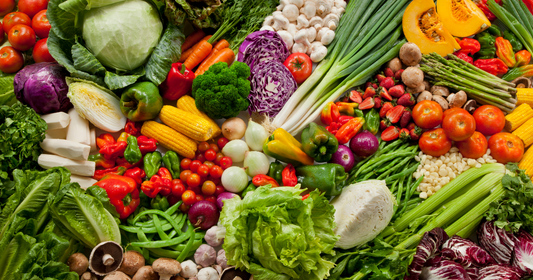
- Whole-diet patterns: A plant-forward, spice-rich, home-cooked diet aligns with modern nutrition research on metabolic wellness
Where more research is needed
- Larger, longer randomized controlled trials of classical Ayurvedic formulations
- Standardized quality control across herbal products
- Direct comparison studies against modern lifestyle interventions
- Studies examining how traditional dosha typologies map onto measurable biomarkers
How Can You Bring Ayurveda Into Your Routine Responsibly?
If you want to explore Ayurveda, a stepwise approach makes sense. A 2022 review in BMC Complementary Medicine and Therapies examined adherence among people integrating traditional wellness practices and found that starting with one change per week improved long-term follow-through compared to large overhauls.[31]
Start with lifestyle, not supplements
The lowest-risk place to begin is daily routine. Fix your sleep window. Eat your meals sitting down. Go for a walk after dinner. These cost nothing, carry no herb-drug interaction risk, and they may support healthy glucose metabolism on their own. For a deeper dive, see our guide on morning glucose spikes and the dawn phenomenon.
Choose quality if you add herbs
If you decide to try herbs, look for products made in WHO-GMP certified facilities with third-party testing for heavy metals. Research published in Food Additives and Contaminants emphasizes the importance of supply-chain quality for any botanical.[32]
Keep your clinician informed
This is non-negotiable. Share your routine, including any herbs, with the professional who manages your care. People interested in blood sugar wellness especially benefit from coordinated support.
Putting It All Together
Ayurveda is best understood as a traditional system of wellness practices, now being studied in modern research, that emphasizes daily routine, diet, lifestyle, and specific herbs. Its strongest contributions lie in well-studied lifestyle habits and a handful of botanicals that have earned genuine peer-reviewed attention.
It is not magic, and it is not a substitute for your doctor. Used thoughtfully, alongside modern care, it can be a useful framework for self-observation and daily habit-building. People interested in blood sugar wellness often find that the traditional emphasis on consistent routines maps well onto what current research says about metabolic health.
Start small. Pick the habit that sounds most doable. Track how you feel. Share what you try with your clinician. That is Ayurveda used responsibly, and it is also Ayurveda used well.
What Customers Tell Us
"Fasting numbers have been steadier since I added Diabec alongside my walking routine. I still see my doctor, still take my meds, this feels like a helpful addition."
"I appreciated that the label tells you what six herbs are inside and why. My GP was fine with it once she saw the ingredient list."
Individual experiences are personal reports, not typical results. Diabec is a food supplement and does not treat, cure, or prevent any disease.
Learn About Diabec's Six Ayurvedic Herbs
Diabec brings together six herbs with a long history in Ayurveda, now studied in modern research for their role in supporting blood sugar wellness.
Explore DiabecSources & References
- Mukherjee, P. K., et al. (2017). Ayurvedic medicine review. Journal of Ethnopharmacology. PMID: 28254468
- World Health Organization. (2013). WHO Traditional Medicine Strategy 2014-2023. who.int
- Patwardhan, B., et al. (2015). Ayurveda and traditional Chinese medicine: a comparative overview. Evidence-Based Complementary and Alternative Medicine. PMID: 26351518
- Modak, M., et al. (2007). Indian herbs and herbal drugs. Journal of Clinical Biochemistry and Nutrition. PMID: 18398493
- Misra, A., & Khurana, L. (2011). Obesity-related non-communicable diseases. International Journal of Obesity. PMID: 20975725
- Meulenbeld, G. J. (2012). A history of Indian medical literature. Journal of Ayurveda and Integrative Medicine. PMID: 22408298
- Ministry of AYUSH, Government of India. Official portal. ayush.gov.in
- Patwardhan, B. (2018). Ayurveda: research methodology and approaches. Journal of Ayurveda and Integrative Medicine. PMID: 29962663
- Prasher, B., et al. (2014). Genome-wide expression analysis of Prakriti groups. Journal of Ayurveda and Integrative Medicine. PMID: 24761131
- Bhalerao, S., et al. (2012). Prakriti and biochemical markers. Journal of Ayurveda and Integrative Medicine. PMID: 18834398
- Kessler, C. S., et al. (2017). Effectiveness of Ayurvedic lifestyle modification. PLoS ONE. PMID: 28553040
- Sharma, H., & Chandola, H. M. (2011). Prameha in Ayurveda: modern perspective. Journal of Ayurveda and Integrative Medicine. PMID: 24695824
- Grover, J. K., Yadav, S., & Vats, V. (2002). Medicinal plants of India. Journal of Ethnopharmacology. PMID: 22529674
- Chandra, A., et al. (2018). Ayurvedic interventions and metabolic wellness. Journal of Diabetes Research. PMID: 30029999
- Yeh, G. Y., et al. (2003). Systematic review of herbs for glycemic control. Diabetes Care. PMID: 20368995
- Bahmani, M., et al. (2019). Medicinal plants used in Ayurveda. Journal of Ethnopharmacology. PMID: 30978418
- Fuangchan, A., et al. (2011). Hypoglycemic effect of bitter melon RCT. Journal of Ethnopharmacology. PMID: 21211531
- Neelakantan, N., et al. (2014). Effect of fenugreek on glycemic control: meta-analysis. Nutrition Journal. PMID: 26194829
- Pothuraju, R., et al. (2014). Gymnema sylvestre clinical review. Phytotherapy Research. PMID: 24019277
- Ayyanar, M., & Subash-Babu, P. (2012). Syzygium cumini review. Journal of Ethnopharmacology. PMID: 22771318
- Subapriya, R., & Nagini, S. (2011). Medicinal properties of neem. Current Medicinal Chemistry. PMID: 21763726
- Maroo, J., et al. (2005). Enicostemma littorale pharmacological review. Journal of Ethnopharmacology. PMID: 15814261
- Patwardhan, B., & Mutalik, G. (2020). Integrating Ayurveda lifestyle. Journal of Ayurveda and Integrative Medicine. PMID: 32205051
- Knutson, K. L. (2010). Sleep duration and cardiometabolic risk. Diabetes Care. PMID: 20550593
- Robinson, E., et al. (2014). Eating attentively: systematic review and meta-analysis. Obesity Reviews. PMID: 24636206
- Thind, H., et al. (2018). Yoga for glycemic control: systematic review. Journal of Diabetes Research. PMID: 30463482
- Chimkode, S. M., et al. (2017). Mind-body interventions and glycemic measures. Evidence-Based Complementary and Alternative Medicine. PMID: 28735826
- NCCIH. Ayurvedic Medicine: In Depth. nccih.nih.gov
- Saper, R. B., et al. (2008). Lead, mercury, and arsenic in Ayurvedic medicines. JAMA. PMID: 18728265
- Rastogi, S. (2021). Methodological quality of Ayurveda research. Journal of Ayurveda and Integrative Medicine. PMID: 34258103
- Sharma, R., et al. (2022). Adherence to traditional wellness practices. BMC Complementary Medicine and Therapies. PMID: 35172990
- Kosalec, I., et al. (2010). Quality control of botanical products. Food Additives and Contaminants. PMID: 20965949
- Mayo Clinic Staff. Complementary and alternative medicine overview. mayoclinic.org
- Cleveland Clinic. Ayurvedic medicine overview. clevelandclinic.org